
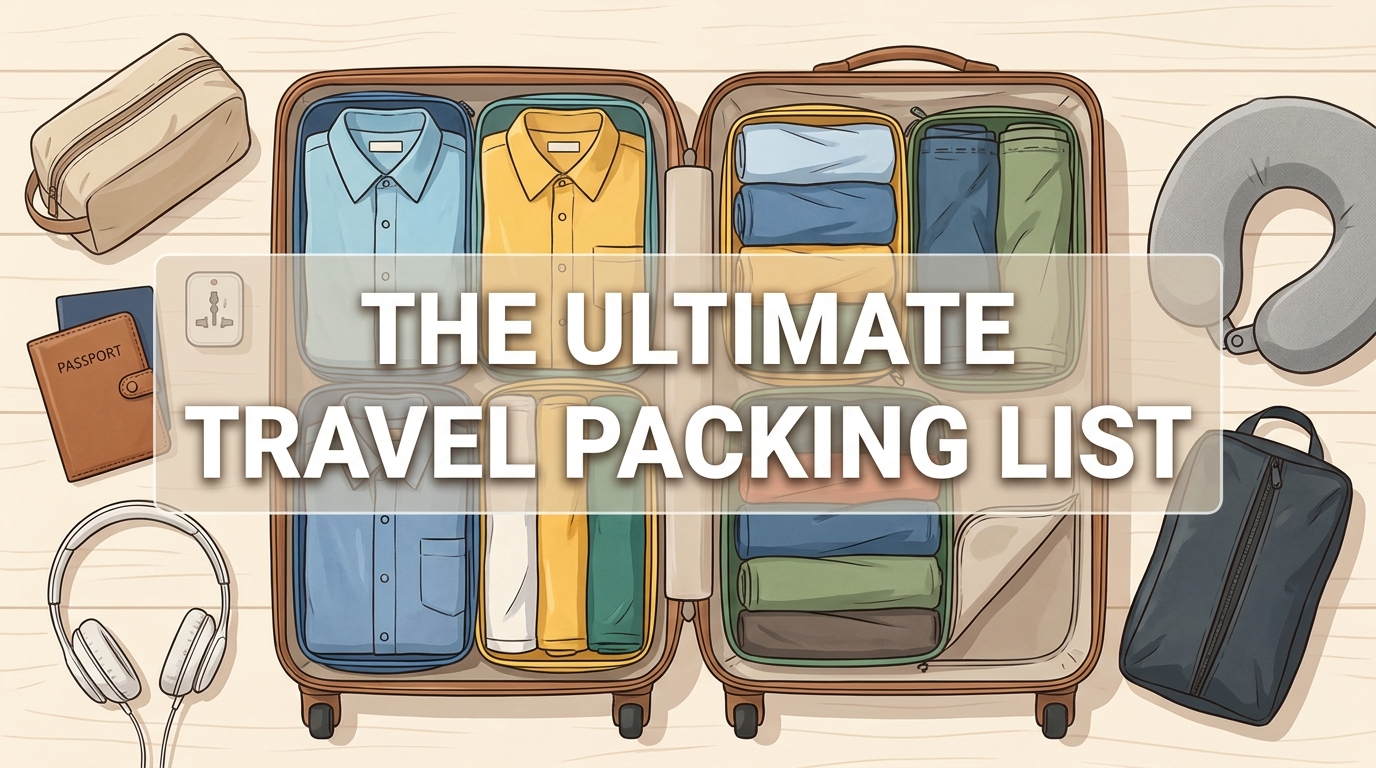
A good travel packing list does one job brilliantly: it makes sure you arrive with everything you actually need and nothing you don't. The problem with most lists is they're either a generic dump of 200 items you'll never use, or so vague they're useless. This one is built to actually work — a master checklist you can adapt to any trip, plus the strategy to tailor it to how, where, and how long you're travelling.
At Simplify Living, helping people travel lighter and smarter is the whole point of what we do. So rather than just listing things, this guide walks you through the principles that make packing painless, gives you a complete list by category, then shows you how to flex it for a weekend city break, a two-week beach holiday, a business trip, or a long-haul adventure. Bookmark it, and you'll never stare at an empty suitcase wondering where to start again.
The Principles That Make Packing Actually Work
Before the list itself, five rules separate people who pack well from people who panic the night before. Get these right and the rest falls into place.
- Lay it all out, then remove a third. Set everything on the bed before anything goes in the bag. Seeing it all together makes the over-packing obvious — and you can almost always cut a third without missing it.
- Pack the hardest-to-replace things first. Passport, medication, cards, glasses, chargers. A forgotten t-shirt is a five-minute fix at your destination; a forgotten passport ends the trip before it starts.
- Pack for the weather, not the postcard. Check the actual forecast for your exact dates, not the season's reputation. "Summer in Europe" can still mean cold evenings and sudden rain.
- Build outfits, not a wardrobe. Choose a tight colour palette where most things mix and match. Versatile layers beat single-use "just in case" outfits every time.
- If you're unsure about an item, leave it. Almost anything you genuinely end up needing can be bought at your destination. Doubt is usually a sign you won't use it.
The Master Travel Packing List (by Category)
This is the core list. Treat it as your default and add or trim depending on the trip — the next section shows you how. Working through it category by category is the single best way to avoid forgetting something.
Travel documents & money
Pack these first, keep them together, and keep digital backups on your phone.
- Passport (check it's valid for at least six months beyond your trip) and any visas
- Driver's licence or photo ID
- Boarding passes and booking confirmations (digital and a printed backup)
- Travel insurance policy details
- Debit and credit cards, plus a small amount of local cash
- Copies of key documents, stored separately from the originals

A dedicated travel wallet keeps all of this in one place and shields your cards and passport from wireless skimming — our RFID passport wallet is built exactly for this. For the full how-to on keeping documents organised, see our guide on choosing the best passport holder.
Clothing
The category where over-packing happens. Aim for mix-and-match pieces in a consistent palette, and lean on laundry for longer trips rather than packing a fresh outfit per day.
- Tops: a mix of short and long sleeve, layered for the climate
- Bottoms: trousers, jeans, shorts or skirts as the weather dictates
- One dressier outfit for nights out or dinners
- Underwear and socks (a few more than you think; they're small)
- Sleepwear
- A versatile jacket or layer — even warm destinations have cool evenings
- Comfortable walking shoes plus one smarter pair
- Swimwear, activewear, or specialist gear as needed
Toiletries & personal care
Stick to travel sizes and decant your own favourites rather than buying minis. Remember the liquids rule for carry-on (containers of 100ml/3.4oz or less in a clear bag).
- Toothbrush, toothpaste, deodorant
- Travel-size shampoo, conditioner, body wash
- Skincare: moisturiser, sunscreen, lip balm
- Razor, hairbrush, any styling tools
- Personal hygiene and any feminine care products
- Makeup, kept minimal
- Contact lenses, solution and a spare pair of glasses

Refillable, leak-proof bottles save money and waste — our travel toiletries bottles are TSA-friendly and decant your own products neatly.
Health & first aid
- Prescription medication (full trip, plus a few extra days for delays, in original packaging)
- Pain relief, antihistamines, and any motion-sickness tablets
- Plasters, antiseptic, and a few basics for blisters and scrapes
- Hand sanitiser and a small pack of wipes
- Any vitamins or supplements you take daily
Tech & electronics
- Phone and charger
- A universal travel adapter (and a converter if your devices need it)
- Power bank — pack this in your carry-on, never checked luggage
- Headphones or earbuds
- Laptop or tablet if you need it, with chargers
- E-reader for long journeys
- Charging cables, bundled together so they don't tangle
One good universal travel adapter covers virtually every country, so you're not hunting for the right plug on arrival — our travel adapter guide explains what to look for.
Comfort for the journey
Long flights and transit days are far easier with a few comfort items kept in your carry-on.
- Travel pillow, eye mask and earplugs for sleeping upright
- A refillable water bottle (empty through security, fill after)
- Snacks for the journey
- A light layer or scarf for cold cabins

A supportive memory-foam travel pillow — or our First Class Comfort Bundle with mask and earplugs — is the difference between landing rested and landing wrecked. See our guide to the best travel pillow for long flights for more.
Bags & packing tools
- Your main suitcase or backpack
- A secure day bag for sightseeing
- Packing cubes to organise and compress clothing
- A shoe bag to keep soles away from clean clothes
- A laundry or wet bag for dirty items

Packing cubes are the single biggest upgrade to how you pack — our compression packing cubes keep everything sorted and squeeze out extra air to free up space, and a travel shoe organiser keeps your shoes from messing up the rest. For security on the ground, an anti-theft crossbody bag keeps your valuables safe in crowds.
How to Tailor the List to Your Trip
The master list is your starting point. What changes from trip to trip is the clothing, the gear, and how much of everything. Here's how to flex it.
Weekend or city break (2–4 days)
Go carry-on only. Two or three mix-and-match outfits, one pair of comfortable shoes, minimal toiletries in travel sizes. The goal is to skip checked luggage entirely — you'll move faster and freer. A single packing cube for clothes and a small toiletry bag is usually all you need.
One to two weeks (beach or city)
This is where the mix-and-match palette earns its keep. Pack about a week's worth of clothes and plan to do a load of laundry rather than packing fourteen of everything. For beach trips, add quick-dry swimwear, sun protection and a cover-up; for cities, prioritise comfortable walking shoes and one smart outfit. Packing cubes keep the extra volume organised.
Business travel
Versatile, wrinkle-resistant pieces are the priority: a blazer that works for meetings and dinner, neutral separates that recombine, and one smart-casual outfit. Keep your tech tidy and accessible for security, and carry on if you can to avoid any risk of a lost bag before an important meeting. Our carry-on packing guide helps here.
Long-haul & backpacking
Durability and versatility rule. Choose quick-dry fabrics you can wash on the road, a layering system rather than bulky single items, and a comfortable, secure backpack. Pack a proper in-flight comfort kit for the long journey, and keep valuables in a concealed, anti-theft bag for busy transit hubs.
Carry-On vs Checked: What Goes Where
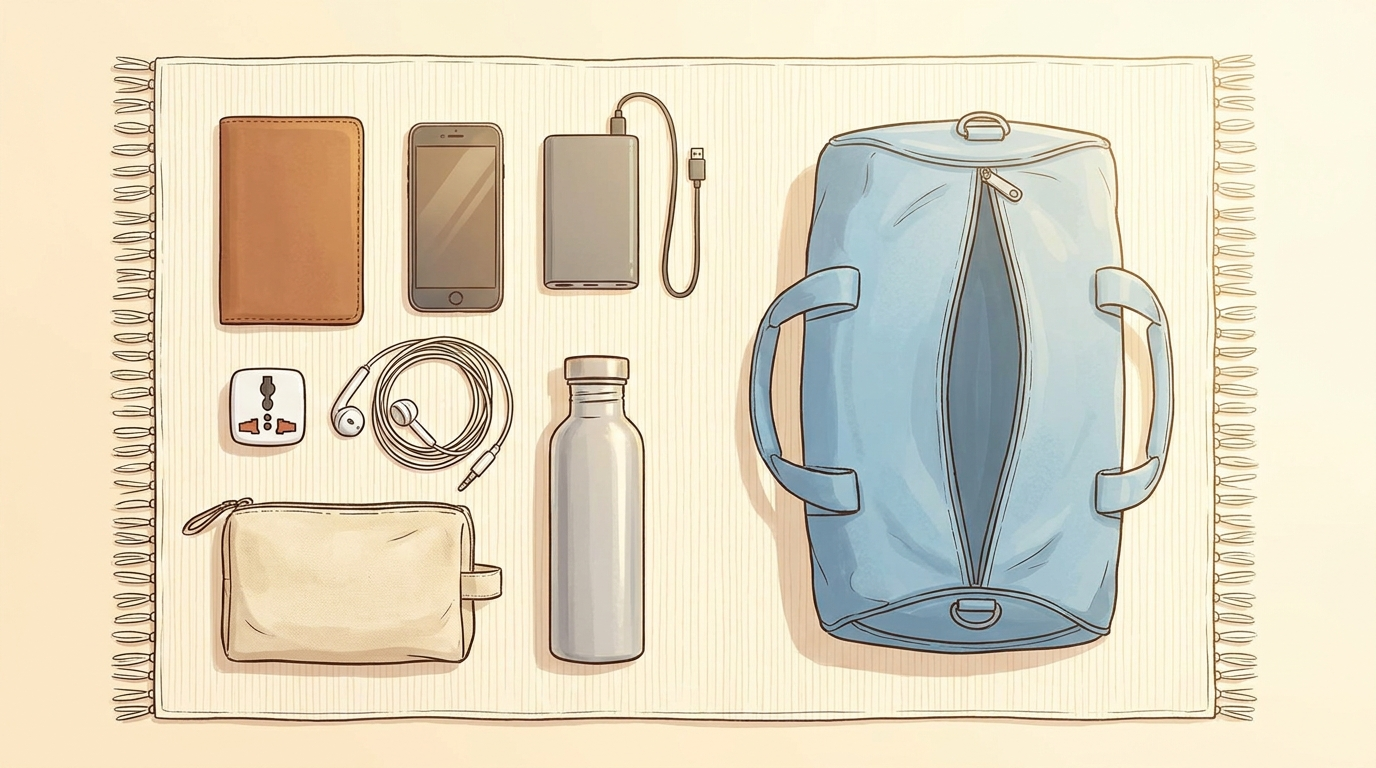
Getting this split right protects you if a checked bag goes missing and keeps you compliant with airline rules.
Always in your carry-on: passport and documents, medication, valuables and electronics, power banks and spare batteries (these are banned from checked luggage for safety), a change of clothes, and anything you'd hate to lose. Fine to check: the bulk of your clothing, shoes, full-size toiletries, and anything not urgent or valuable.
Always check your specific airline's carry-on size and weight limits before you fly — budget carriers in particular can be strict, and allowances vary widely by fare type. When flying, pack a change of clothes and one day's essentials in your carry-on, just in case your checked bag takes a detour.
What to Leave at Home
The "that actually works" part of any packing list is knowing what to skip. These are the usual suspects that take up space and never get used:
- "Just in case" outfits. If you wouldn't wear it at home this week, you won't wear it on holiday.
- A different pair of shoes for every occasion. Two or three versatile pairs cover almost any trip.
- Full-size toiletries. Heavy, bulky, and usually available at your destination or hotel.
- Excessive cash. Use cards for most spending and carry only what you need for a day or two.
- Valuables you don't need. Leave irreplaceable jewellery and sentimental items safely at home.
- Bulky towels and hairdryers. Most accommodation provides them — check before you pack.
Smart Packing Techniques
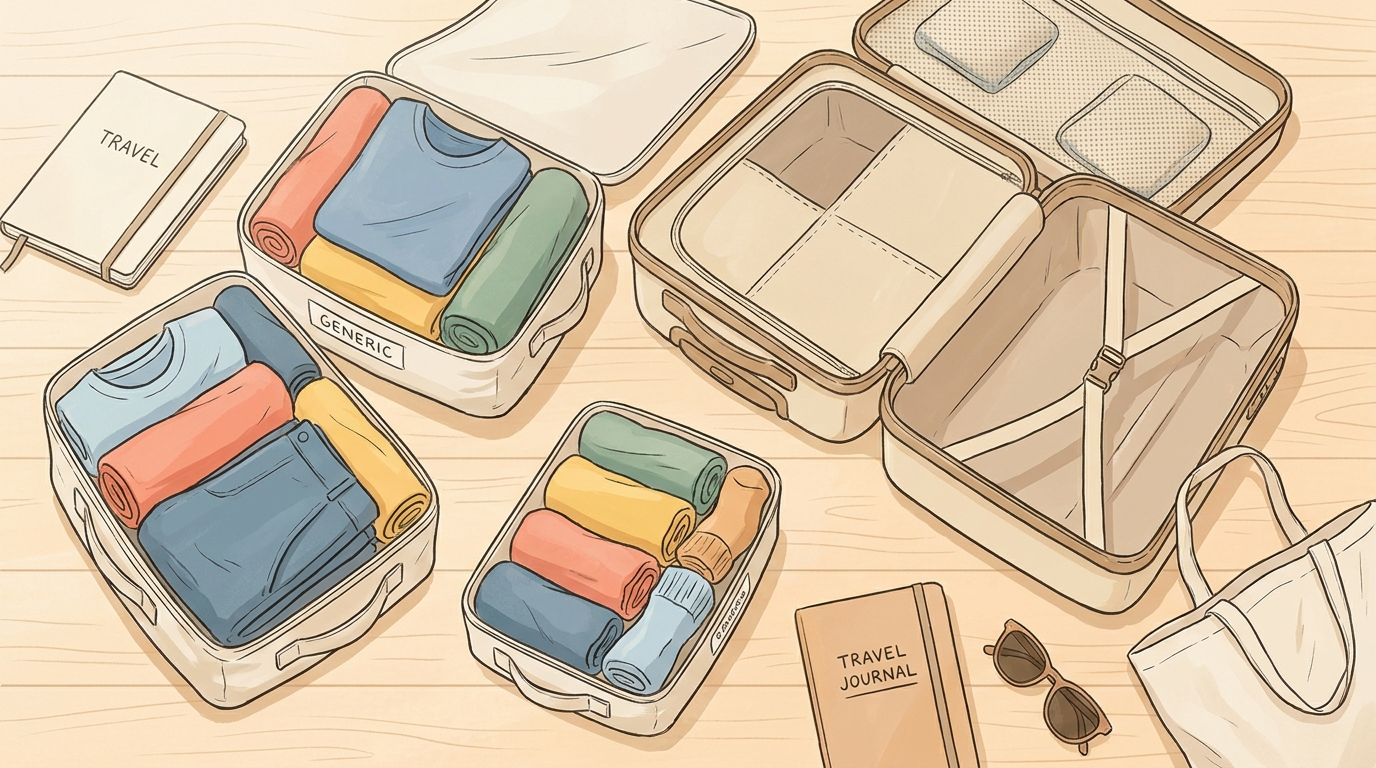
Once you know what's going in, how you pack it decides how much fits and what shape it's in when you arrive.
- Roll, don't fold. Rolling softer clothes saves space and reduces creases. Use packing cubes to keep the rolls tidy.
- Wear your bulkiest items. Heavy boots and coats go on your body for travel days, not in the bag.
- Fill the dead space. Stuff socks and small items inside shoes; use every gap.
- Heavy at the bottom. Pack heavier items near the wheels so the bag stays stable and balanced.
- Keep liquids accessible. Your clear liquids bag should be easy to pull out at security.
For a deeper dive into technique, our guides on how to pack a suitcase properly and rolling vs folding go further than we can here.
Your Final Pre-Departure Checklist
The last sweep before you walk out the door. Run through this and you can leave with a clear head.
- Passport, visas, tickets and travel insurance — packed and accessible?
- Wallet, cards and a little local cash?
- Phone, chargers, power bank and adapter?
- Medication and a small first-aid kit?
- Liquids within the carry-on limit and in a clear bag?
- Home sorted — doors locked, appliances off, bins out, plants and pets handled?
- Someone you trust knows your travel plans?
Pack Once, Pack Well
The best packing list isn't the longest one — it's the one you actually use, tailored to your trip and trimmed of everything you don't need. Start with the master list above, flex it to your destination and trip length, pack the hardest-to-replace things first, and lean on good organisation to make it all fit. Do that and packing stops being the stressful part of travel and becomes the easy first step of the adventure.
To make it effortless, browse our full range of travel accessories — from packing cubes and toiletry bottles to RFID wallets, anti-theft bags and travel pillows, every one is backed by free shipping and our 30-day money-back guarantee.

Leave a comment
This site is protected by hCaptcha and the hCaptcha Privacy Policy and Terms of Service apply.